

Dark Circles Under Children’s Eyes: Is It Always Due to Lack of Sleep? | Child Specialist in Bangalore
Dark circles under a child’s eyes can make parents wonder whether their child is getting enough sleep. While tiredness can make the area beneath the eyes appear darker, dark circles under children’s eyes are not always caused by insufficient sleep. Allergies, nasal congestion, genetics, skin characteristics, and other factors may also contribute. A Child Specialist in Bangalore can help identify possible causes when dark circles are persistent or accompanied by other symptoms.
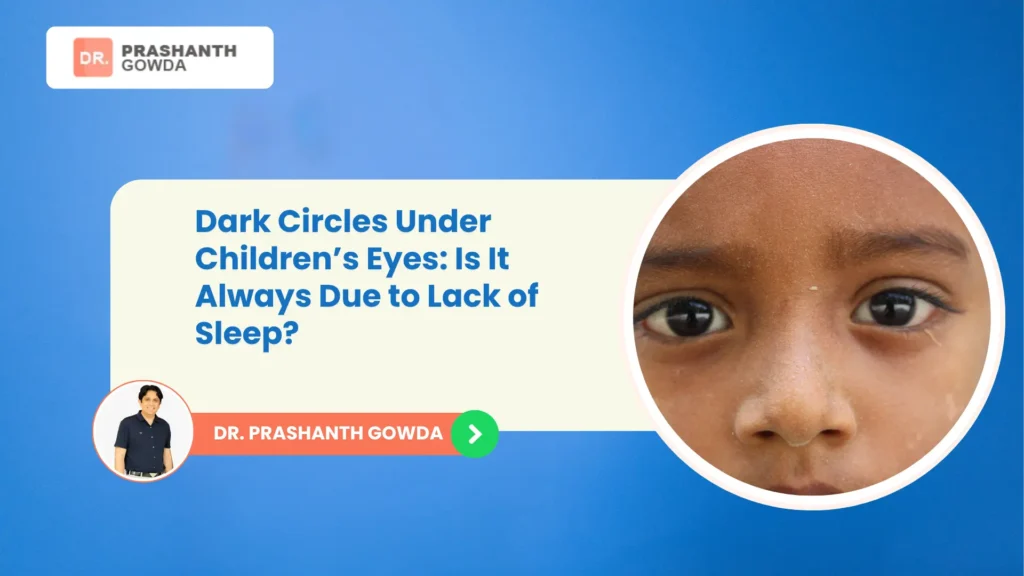
The skin beneath the eyes is thin and delicate, making blood vessels and changes in pigmentation more visible. Several factors can make this area appear darker.
Lack of Sleep and Tiredness
Poor sleep can make the skin look pale and tired, which may make the blood vessels beneath the eyes more noticeable. A child with an irregular sleep schedule may therefore appear to have darker under-eye areas. However, improving sleep does not always make the circles disappear completely, particularly when another factor is involved.
Allergies and Nasal Congestion
Allergic rhinitis can cause a blocked or stuffy nose, sneezing, itching, and frequent rubbing of the eyes. Persistent nasal congestion can contribute to a darker appearance beneath the eyes. Children with allergies may also have watery eyes, mouth breathing, or frequent nasal symptoms.
Genetics
Some children naturally have darker pigmentation or more visible blood vessels around the eyes. If parents or close family members have similar features, genetics may play an important role. In these cases, dark circles may be noticeable even when the child sleeps well and is otherwise healthy.
Dehydration
When children do not drink enough fluids, particularly during illness or hot weather, their skin may appear dull or tired. Adequate hydration is important for overall health and may improve general skin appearance.
Parents sometimes associate dark circles with anemia. Dark under-eye areas alone, however, are not enough to diagnose anemia.
If a child also has persistent tiredness, pale skin, reduced activity, poor appetite, dizziness, or other concerning symptoms, medical assessment may be appropriate. A doctor can decide whether blood tests are necessary based on the child's overall symptoms and examination.
Excessive screen use does not directly cause dark circles in every child. However, prolonged screen time, especially late at night, may interfere with healthy sleep routines. Encouraging regular sleep schedules and taking appropriate breaks from screens can support overall eye comfort and healthy sleep habits.
Start by looking at the bigger picture rather than focusing only on the appearance of the eyes. Ensure your child follows an age-appropriate sleep routine and drinks enough fluids throughout the day. If your child has frequent sneezing, nasal blockage, itchy eyes, or persistent congestion, discuss possible allergies with a healthcare professional.
Discourage frequent rubbing of the eyes because this can further irritate the delicate skin around them. Avoid applying cosmetic creams, bleaching products, or home remedies around a child's eyes without professional advice.
Dark circles are often harmless when a child is otherwise active, healthy, and developing normally. However, parents should seek medical advice if the discoloration appears suddenly, becomes significantly worse, or occurs with swelling, persistent fatigue, breathing difficulties, recurrent headaches, poor appetite, or other unusual symptoms.
A Child Specialist in Bangalore can review the child's sleep, nutrition, allergy symptoms, family history, and overall health to determine whether further evaluation is necessary.
If the dark circles have been present for a long time, are similar to those seen in family members, and occur without other symptoms, they may simply reflect the child's natural skin tone or anatomy.
The appearance of under-eye circles can also vary depending on lighting, fatigue, allergies, and seasonal changes. Parents should focus on the child's overall health rather than treating the appearance alone.
Conclusion
Dark circles under children’s eyes are not always a sign that a child is sleeping poorly. While tiredness can contribute, allergies, nasal congestion, genetics, dehydration, and natural skin characteristics may also play a role. If the circles persist alongside other symptoms or you are concerned about your child’s general health, consulting a Child Specialist in Bangalore can help determine whether further evaluation is needed.
FAQ’s
No. Lack of sleep is one possible factor, but allergies, genetics, nasal congestion, and natural skin characteristics can also cause them.
Yes. Nasal congestion and frequent eye rubbing associated with allergies can make the area beneath the eyes appear darker.
Not necessarily. Dark circles alone cannot diagnose anemia. Other symptoms and, when appropriate, medical testing are needed.
Dehydration may make children look tired or unwell, particularly during illness or hot weather, but it is not the only possible cause.
Persistent dark circles are often harmless, but medical advice is appropriate if they occur with fatigue, swelling, breathing problems, or other symptoms.