

How Sleep Patterns Affect a Child’s Learning and Behavior | Child Care Centres in HSR Layout
Sleep plays a crucial role in a child’s physical, emotional, and cognitive development. Parents often focus on nutrition and education but overlook the importance of quality sleep. At Child Care Centres in HSR Layout, specialists like Dr Prashanth Gowda emphasize that healthy sleep patterns are essential for improving a child’s learning ability, memory, mood, and overall behavior. When children get enough restful sleep, their brains can process information better, helping them perform well at school and maintain positive behavior at home.
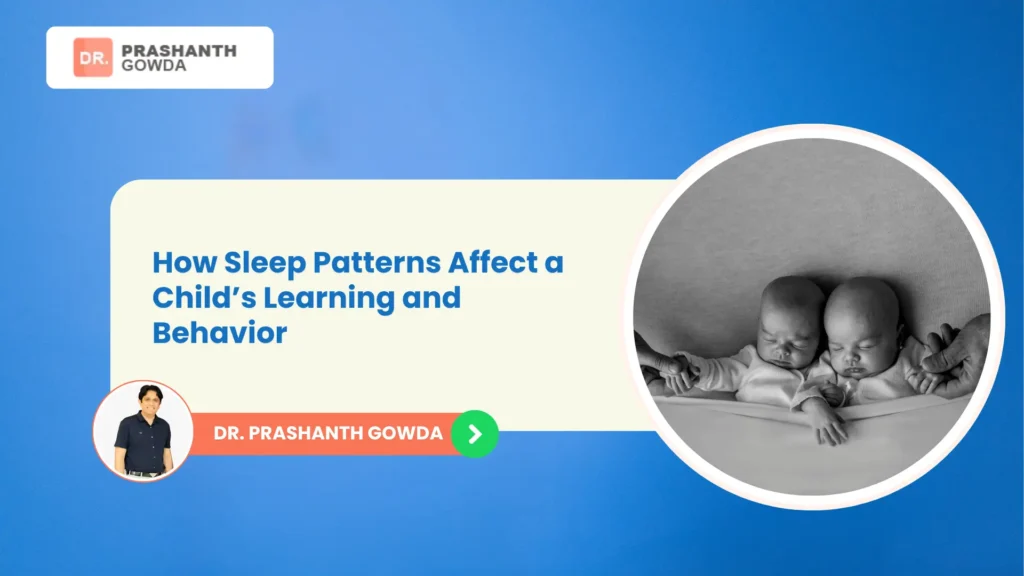
Why Sleep Is Important for Children’s Learning
Sleep is the time when the brain processes and stores information learned during the day. During deep sleep, a child’s brain strengthens neural connections that help with memory and learning.
Children who sleep well are more likely to:
- Concentrate better in school
- Remember lessons more effectively
- Solve problems faster
- Stay emotionally balanced
On the other hand, lack of sleep can affect attention span, academic performance, and behavior.
How Sleep Affects a Child’s Behavior
Sleep deprivation can significantly influence how children behave during the day. When kids do not get enough rest, they may become irritable, hyperactive, or emotionally sensitive.
Some behavioral effects of poor sleep include:
- Increased irritability and mood swings
- Difficulty concentrating in class
- Hyperactivity and restlessness
- Trouble following instructions
- Reduced motivation for learning
Healthy sleep patterns help children stay calm, focused, and emotionally stable.
Common Causes of Poor Sleep in Children
Several factors can disturb a child’s sleep pattern. Understanding these causes can help parents create a better bedtime routine.
1. Excessive Screen Time
Using mobile phones, tablets, or watching TV before bedtime can interfere with sleep. The blue light from screens affects the body’s natural sleep hormone (melatonin).
2. Irregular Sleep Schedule
Going to bed at different times every night can disrupt a child’s internal body clock.
3. Stress or Anxiety
School pressure, changes in routine, or emotional stress may make it difficult for children to fall asleep.
4. Poor Sleep Environment
A noisy, bright, or uncomfortable bedroom can affect sleep quality.
5. Unhealthy Eating Habits
Heavy meals or sugary snacks before bedtime can make it harder for children to fall asleep.
Tips to Improve Your Child’s Sleep Pattern
Parents can help their children develop healthy sleep habits by following a few simple steps:
- Maintain a consistent bedtime and wake-up schedule
- Limit screen time at least one hour before sleep
- Create a calm bedtime routine like reading a book
- Ensure the bedroom is quiet, dark, and comfortable
- Encourage physical activity during the day
These habits can improve sleep quality and positively influence a child’s learning and behavior.
Conclusion
Sleep is a fundamental part of a child’s growth and development. Healthy sleep patterns support better memory, learning ability, emotional stability, and overall well-being. If your child frequently experiences sleep issues or behavioral changes due to poor sleep, consulting experts at Child Care Centres in HSR Layout like Dr Prashanth Gowda can help identify the cause and provide the right guidance for improving your child’s sleep habits.