

Is Your Child Stressed? Signs Parents Should Never Ignore | Best Child Doctor in HSR Layout
Childhood is often seen as a carefree phase, but today many children experience stress due to academic pressure, screen overuse, social challenges, and changes in family routines. Stress in children often goes unnoticed because they may not express it clearly. As parents, recognizing early warning signs is crucial to protect your child’s emotional and physical well-being, and guidance from the Best Child Doctor in HSR Layout can help identify stress-related concerns early and ensure timely support.
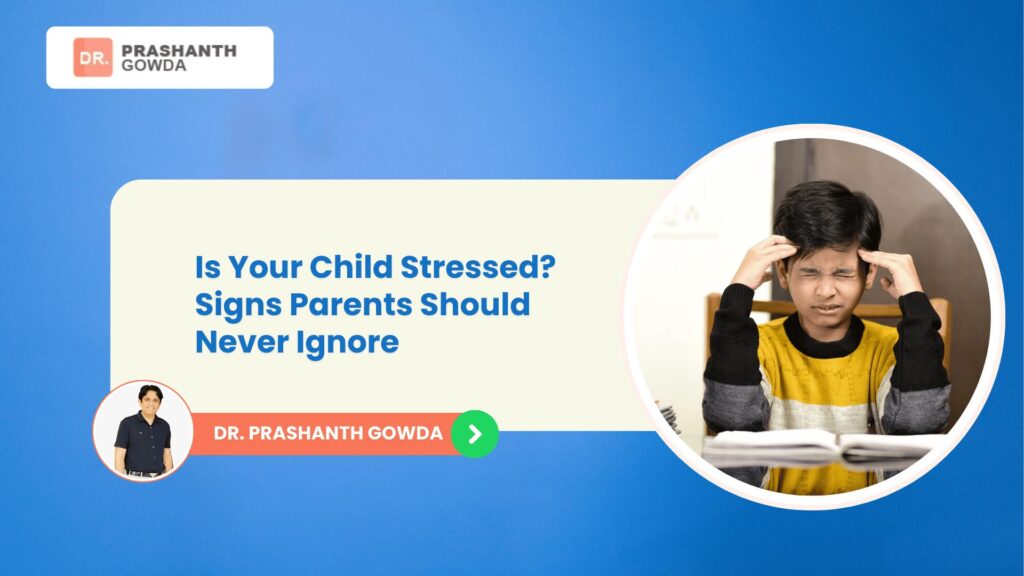
Common Signs of Stress in Children
Children show stress differently from adults. Some signs may appear subtle but should never be ignored:
- Behavioral changes such as irritability, anger, withdrawal, or excessive crying
- Sleep problems, including difficulty falling asleep or frequent nightmares
- Physical complaints like headaches, stomach pain, or unexplained fatigue
- Changes in appetite, either eating too much or too little
- Decline in school performance or loss of interest in activities they once enjoyed
Younger children may become clingy or regress to behaviors like bedwetting, while older children might show anxiety, mood swings, or avoidance of social situations.
Causes of Stress in Children
Stress can arise from many everyday situations, including academic expectations, peer pressure, family conflicts, excessive screen time, or sudden changes such as relocation or illness. Even positive events like starting a new school can trigger stress if not handled gently.
How Parents Can Help
Parents play a vital role in helping children cope with stress:
- Encourage open communication and listen without judgmen
- Maintain a structured routine for sleep, meals, and study
- Limit screen time and promote physical activity
- Teach relaxation techniques like deep breathing
- Seek professional help if stress persists
Consulting an experienced pediatrician is essential when stress affects a child’s daily life. Many parents trust Dr. Prashanth Gowda, recognized as one of the Best Child Doctors in HSR Layout, for comprehensive child health and emotional support.
When to See a Doctor
If stress symptoms last more than a few weeks, worsen over time, or interfere with school and relationships, professional evaluation is necessary. Early intervention ensures your child develops healthy coping skills and emotional resilience.
Frequently Asked Questions (FAQs)
1. How do I know if my child is stressed or just moody?
Occasional mood changes are normal, but persistent behavioral, sleep, or physical issues may indicate stress.
2. Can stress affect my child’s physical health?
Yes. Chronic stress can lead to headaches, stomach pain, poor immunity, and sleep disorders.
3. At what age can children experience stress?
Stress can affect children of all ages, including toddlers and school-going children.
4. When should I consult a pediatrician for stress?
If symptoms persist for more than 2–3 weeks or affect daily activities, consult a pediatrician.
5. Who is the Best Child Doctor in HSR Layout for stress-related concerns?
Dr. Prashanth Gowda is widely trusted by parents for child health, emotional well-being, and developmental care.