

Fever in Children: When Should You See a Pediatrician? | Pediatrician Doctors in Sarjapur Road
Among the frequent reasons why parents take their children to the doctor is fever. Although an increase in body temperature may be a cause of panic, fever is not a disease. It is the natural reaction of the body to infections, which assists the immune system to combat viruses and bacteria. In most cases, the virus infection is a cause of the fever that can be treated within a few days and does not require medication. However, there are instances, which require urgent attention by the medical practitioner to prevent complications.
Education regarding the categorization of fever as normal or as a symptom of a more severe disease can help parents make informed decisions. Consulting experienced Pediatrician Doctors in Sarjapur Road can also ensure timely diagnosis and appropriate treatment for your child.
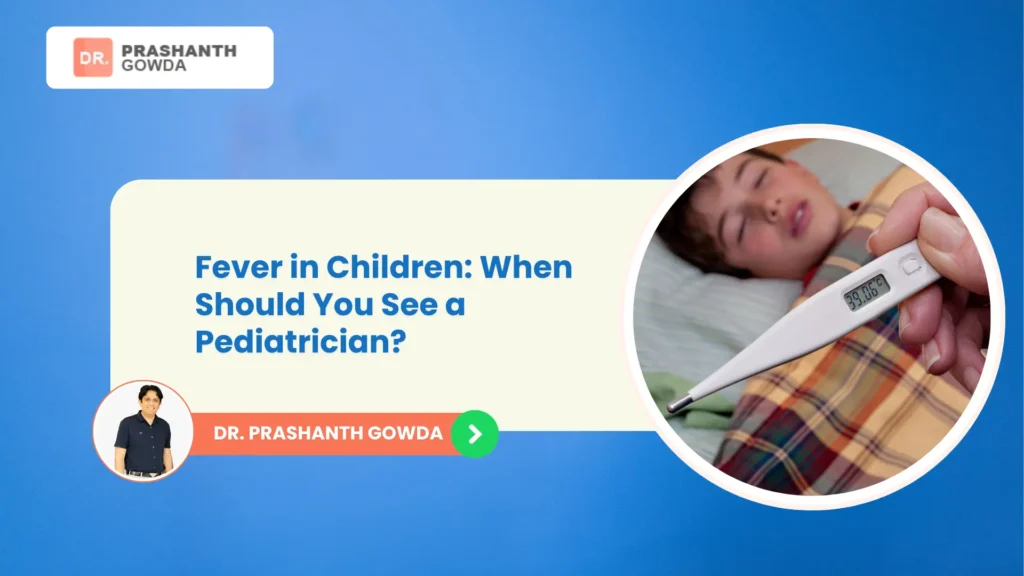
What Is a Fever?
When checking the temperature of your little one, it is typically normal with a temperature of about 98.6°F. Don’t worry about it varying a little throughout the day, that is quite normal! However, by an overall rule of thumb, when it reaches 100.4°F or above, they actually have a fever.
Depending on the underlying illness, fever can be mild, high and can be accompanied by other symptoms.
Frequent Causes of Fever in Children
A majority of fevers are inflammation caused by infections. Common causes are:
- Viral infections like common cold
- Ear infections
- Infections of the throat e.g. tonsillitis.
- Pneumonia
In the majority of children, fever rarely tends to be chronic and responds to supportive care. However, when the symptoms are permanent it is important to identify the cause.
Symptoms That May Accompany Fever
In addition to increased temperature, children can have:
- Shivering
- Sweating
- Reduced appetite
- Irritability
- Headache
- Body aches
- Runny nose or cough
- Sore throat
What Are the Times to Be Worried About?
Parents should seek medical attention if:
- An infant less than 3 months old acquires fever.
- Fever is over 48 to 72 hours.
- The temperature remains elevated, being over 102.2°F.
- The child experiences breathing problems.
- The child is either abnormally sleepy, or confused.
- During the fever, a seizure occurs.
- The signs of fever are associated with a general rash, severe headache or neck stiffness.
How Is the Cause Diagnosed?
A pediatrician will start by collecting a detailed history of the medical history and a physical examination. Based on the symptoms of the child, supplementary tests might be recommended such as:
- Blood tests
- Culture and urine analysis
- Throat swab
- Chest X-ray
- Other tests based on clinical findings
Such tests are useful in determining the cause of infection and prescribing suitable therapy.
Treatment for Fever
The underlying cause of the fever is what requires treatment, not the fever.
Management may include:
- Anti-fever drugs in the right amount, based on the age and weight of the child
- Enough fluids to avoid dehydration
- Infant breastfeeding
- Use of appropriate antibiotics when a bacterial infection is confirmed
- Rest and monitoring until the child recovers
Unless advised by a physician, parents should not administer any medications because they may also cause antibiotic resistance through unnecessary use.
Can Fever Be Prevented?
Even though not every type of fever can be avoided, there are precautions that decrease the chances of infection:
- Remind them to move their hands away their face
- Put a pause on sharing things like cups, straws, or utensils
- Wipe down easy to reach surfaces and favorite toys regularly
- Open the windows more often to allow the air to flow
- Assist in maintaining their stress
When to See a Pediatrician?
In case the fever of your child is persistent and recurrent, or they have warning signs, it is needed to consult a professional with medical tests. Early diagnosis assists in determining the cause and getting an early treatment to curb complications.
Expert Pediatric Care by Dr. Prashanth Gowda
Dr. Prashanth Gowda is a highly qualified Pediatrician and Neonatologist in HSR layout, Bangalore, who pays attention to the overall healthcare of newborns, infants, children, and adolescents. He focuses on proper diagnosis, treatment based on evidence and caring services in order to ensure the child gets well within a short period of time.
Dr. Prashanth Gowda offers personalized care according to the needs of your child whether it is a simple viral fever or a more complex disease.
Conclusion
Fever is a typical symptom of childhood and is frequently an indication that the body is combating an infection. The majority of fevers are normal and will clear off with the proper care but the parents must be sensitive to any warning signs which could require treatment. Consultation with experienced Pediatrician Doctors in Sarjapur Road on time will ensure an accurate diagnosis, appropriate treatment, and peace of mind for the entire family.
FAQ
- What temperature is considered a fever in children?
A child is generally considered to have a fever when their body temperature reaches 100.4°F (38°C) or higher. If the fever is persistent or accompanied by other concerning symptoms, consult a pediatrician. - What are the common causes of fever in children?
Fever in children is commonly caused by viral infections, ear infections, throat infections such as tonsillitis, urinary tract infections, and bacterial illnesses like pneumonia. - Is it safe to give fever medicine to my child at home?
Yes, age-appropriate fever-reducing medications can be given as recommended by your pediatrician. Always follow the correct dosage based on your child’s age and weight, and avoid giving antibiotics without medical advice. - Can teething cause a high fever in children?
Teething may cause a slight increase in body temperature, but it does not usually cause a high fever above 100.4°F (38°C). A high fever should be evaluated by a pediatrician. - How is the cause of fever diagnosed in children?
A pediatrician diagnoses the cause of fever through a physical examination, medical history, and if necessary, tests such as blood tests, urine analysis, throat swabs, or chest X-rays.