

Separation Anxiety in Children: Why It Happens and How Parents Can Support Their Child | Child Care Centre in HSR Layout
Separation anxiety is a common part of childhood, especially when children are separated from parents or familiar caregivers. A child may cry when going to school, become upset when a parent leaves the room, or have difficulty staying with grandparents or other trusted adults. While these reactions can be emotionally challenging for parents, separation anxiety is often a normal part of early development.
Children gradually learn that their parents can leave and return safely. However, the way they respond can vary depending on their age, personality, experiences, and daily routine. A Child Care Centre in HSR Layout can also provide professional guidance when anxiety begins affecting a child’s daily activities, school attendance, sleep, or relationships.
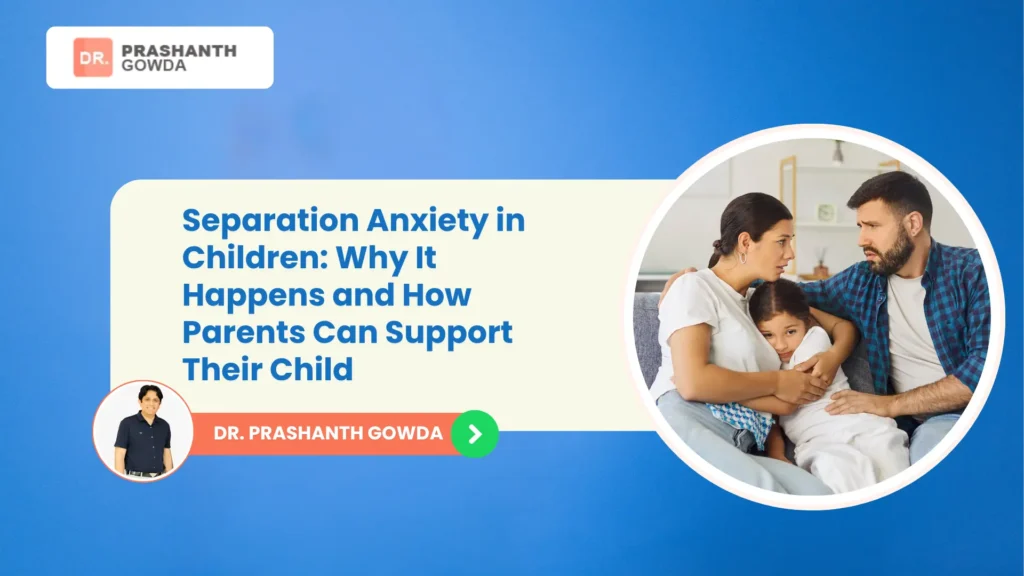
Separation anxiety commonly appears during infancy and toddlerhood as children develop stronger emotional attachments to their parents. They may become uncomfortable when their primary caregiver is out of sight.
Several situations can make separation anxiety more noticeable, including:
- Starting daycare or preschool
- Beginning a new school
- Moving to a new home
- Changes in family routines
- Staying with a new caregiver
- Illness or hospitalization
- Changes in sleeping arrangements
- Stressful or unfamiliar situations
Sometimes, children may become more anxious after experiencing a significant change in their normal routine.
Every child experiences separation differently. Some children may cry briefly when their parent leaves and settle down soon afterward. Others may show stronger reactions.
Common signs include:
- Crying or clinging when parents leave
- Refusing to attend school or daycare
- Repeatedly asking when parents will return
- Difficulty sleeping alone
- Nightmares about separation
- Complaints of stomach aches or headaches
- Excessive worry about parents' safety
- Becoming unusually upset when separated
Occasional distress is usually not concerning. The important factor is whether the anxiety becomes persistent or interferes with normal childhood activities.
Parents can take several simple steps to make separation easier.
Create a Predictable Routine
Children often feel more secure when they know what will happen next. Keeping consistent morning, school, bedtime, and pickup routines can reduce uncertainty.
Keep Goodbyes Short and Confident
Long or emotional goodbyes may increase anxiety. Give your child a reassuring goodbye, explain when you will return, and leave calmly.
Never Leave Secretly
Although sneaking away may seem easier, it can make children more worried about future separations. Let them know when you are leaving.
Practice Short Separations
Gradually introducing brief separations with trusted caregivers can help children become comfortable being away from parents.
Encourage Independence
Allow children to complete age-appropriate tasks independently. Small successes can build confidence and emotional security.
Listen to Their Feelings
Instead of dismissing your child's worries, acknowledge them. Saying, “I know you miss me, and I will come back after school,” can provide reassurance without reinforcing fear.
If separation anxiety continues for a long time, becomes increasingly intense, or significantly affects school, sleep, eating, social activities, or family life, professional guidance may be helpful.
Parents should also seek advice if a child experiences frequent physical complaints, refuses to leave home, has persistent sleep problems, or shows extreme distress during everyday separations. Early support can help identify emotional triggers and provide practical strategies suited to the child's age and individual needs.
Conclusion
Separation anxiety is a natural part of childhood for many children, but patience, reassurance, and consistent routines can make the transition easier. Parents should listen to their child’s concerns and gradually encourage independence without making them feel pressured. When anxiety becomes persistent or starts affecting school, sleep, or everyday activities, professional guidance can be helpful. A trusted Child Care Centre in HSR Layout can support parents in understanding their child’s emotional needs and finding appropriate ways to help them feel safe, confident, and comfortable during separation.
FAQ’s
Separation anxiety commonly begins during infancy and may become more noticeable around toddlerhood, gradually improving as children develop independence.
Parents can establish predictable routines, keep goodbyes brief, provide reassurance, and encourage children to gradually become comfortable with school.
No. Leaving secretly may increase uncertainty. A calm, brief goodbye helps children understand that parents will return.
Yes. Some children may resist sleeping alone, wake frequently, experience nightmares, or worry about being separated from their parents.
Dr. Prashanth Gowda offers child-focused guidance, helping parents understand emotional concerns and choose appropriate support for their child's development.